In August 2026, the US administration added the Italian collective Autistici/Inventati to the list of specially designated global terrorist organizations (Wikipedia. This change of status prompted several organizations to withdraw their services from the collective: among others, Paypal (a US company) closed its account without warning, and the Domain Name System (a US organization) disconnected their domain autistici.org. Their (Italian) bank account was also closed, as the bank feared being disconnected from the (US-based) Visa and Mastercard payment circuits. You can read a full account in English here.
This story is disturbing: to those who had not been paying attention, it brings home the extent to which the world, or at least Europe, is dependent on American digital infractructure, that can and will cut European citizens and organizations loose at Washington’s whims. If you had been paying attention, however, the Autistici case is deeply unfair and silly, but no news. You can take (some) solace in the various initiatives already underway to claw back some digital autonomy, including payment system Wero, the European Central Bank’s Digital Euro, and several digital services or software projects that enable locally ruin services: NextCloud, Proton, Tuta, Mastodon, and so on.
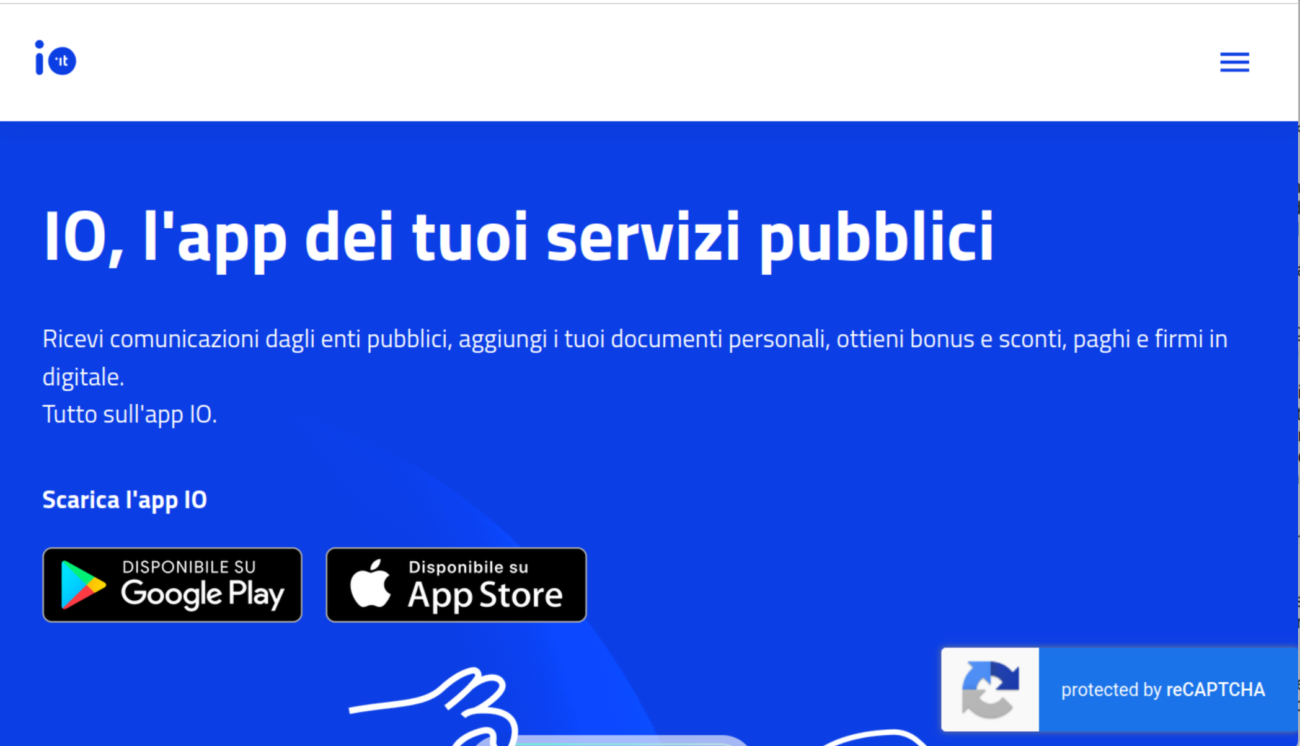
Two weeks ago, Stefano Quintarelli remarked that there is another pervasive dependency: that on Google’s Play Integrity and Apple’s App Attest. This matters because, over the last two decades, European public authorities have built public sector apps to allow their citizens to access public services, and digital wallets for payments. These apps are available on Apple’s – a US company – App Store and Google’s – a US company – Play store. Some of them, like Itay’s IO App (“The App for your Public Services”) or Belgium’s MyGov.be (“Direct access to your digital public services”) are available nowhere else.
Both company implement systems of security checks on the apps installed on your phone: Google’s is called Play Integrity, Apple’s App Attest. Now, here is the curveball: apparently, should your Google account be suspended, apps on your phone would fail the Play Integrity check, and therefore would be prevented from running. There is no news that members of Autistici/Inventati have had their Google accounts suspended. But such a suspension is clearly possible, and were it to happen the consequence would be this: a US company would make Italian citizens, living in Italy, unable to use their own government’s digital services.
Like Stefano points out, however, using the Play Store and the App Store as repository of public software mobile applications and mobile wallets is a choice. Our governments have made that choice, and could now reverse it. For example, implementing good mobile sites instead of apps would set the users free from the obligation to go through US companies in order to interact with their own governments. Optimizing those sites for older versions of the browsers would add inclusivity. This kind of solution looks very attractive right now from the angle of digital autonomy; I also see another advantage, that it just feels more dignified to download your government app from a government website.
I propose that interacting with a democratically elected government should not happen in commercial contexts. Officials would say they want to be “where the people are”, but people are complex and nuanced, and the fact that they like to spend a lot of time in commercial spaces does not mean they want to do absolutely everything in those spaces. Nobody wants to get married in a supermarket or receive their diploma in a McDonald’s on graduation day. Nothing wrong with supermarkets or burger outfits, but not any venue is suitable for any activity, and when we interact with our governments we are citizens, not customers. Let digital public services live in digital public spaces, brothers and sisters! Let’s maintain spaces that look and feel public and are most appropriate to those interactions.
